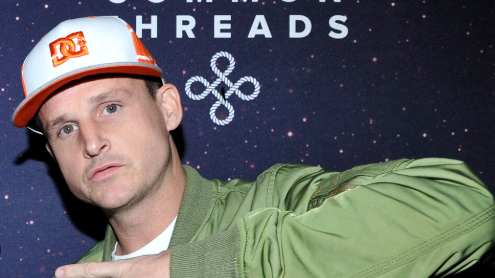
The news that Ridiculousness is officially coming to an end has sent shockwaves across the pop culture landscape. For over a decade, the viral video clip show, hosted by Rob Dyrdek, became an unavoidable staple of the MTV programming schedule, often airing in back-to-back marathons that dominated the network’s broadcast hours.
After a staggering 14-year run and 46 seasons, the network has officially pulled the plug, marking a significant end of an era for both the show’s dedicated audience and the channel itself.
This article delves into the complete A-to-Z breakdown of the Ridiculousness cancellation, covering the key reasons, the corporate context, the financial details that raised eyebrows, and what this strategic shift means for MTV’s future.
Corporate Strategy and The Push for New Content
The primary force driving the cancellation of Ridiculousness isn’t a drop in ratings—in fact, its reruns were a reliable, low-cost solution for filling airtime.
Instead, the decision is rooted in a massive corporate and programming overhaul at MTV’s parent company, Paramount Global.
The Paramount-Skydance Merger: A Catalyst for Change
The recent merger and associated restructuring at Paramount Global, which included significant company-wide layoffs, placed all programming under intense scrutiny. Executives are reportedly aiming to “reimagine MTV for the future,” pivoting away from dependence on syndicated, library content like the marathon airings of Ridiculousness.

The new strategic direction calls for a “more curated and experimental slate of content.” Essentially, MTV wants to move beyond the viral clip show format that defined its schedule for the last decade to focus on original, more premium, and niche programming that might better attract younger, stream-focused audiences and command higher advertising revenue. The simple, non-stop format of Ridiculousness no longer aligns with this revitalized creative vision.
The Cost of the Comedic Empire: Rob Dyrdek’s Massive Payout
While the network’s desire for new programming was the strategic reason, the financial context of the show provided a very real, tangible motivation to end production. Recent reports revealed the colossal payout made to the show’s creator and host, Rob Dyrdek, and his production company, Superjacket Productions.
Dyrdek’s Jaw-Dropping Annual Earnings
Court documents related to the production company’s financials disclosed an exceptionally high-cost structure for the show. This financial arrangement made the continuation of Ridiculousness fiscally questionable during a period of intense corporate budget cutting.
| Component | Annual Payment (Minimum Estimated) |
| Base Compensation & Production Fees | $32.5 Million |
| Executive Producer Fee (Per Episode) | $21,000 |
| On-Camera Host Fee (Per Episode) | $61,000 (starting) |
| Total Annual Compensation | Over $32.5 Million |
Read Also: Morgan Wallen Tour 2026
The sheer magnitude of this financial commitment, approaching the annual cost of several original scripted series combined, became difficult to justify as the parent company sought to consolidate budgets and prioritize investment in higher-value, exclusive streaming content for platforms like Paramount+. Ending the production of new seasons of Ridiculousness was a direct way to cut tens of millions of dollars from the network’s annual operating costs.
Show Legacy: The History and Impact of Ridiculousness
Launched in August 2011, Ridiculousness quickly became a pop-culture fixture. Hosted originally by former professional skateboarder Rob Dyrdek, alongside commentators Sterling “Steelo” Brim and Chanel West Coast (who left in 2023), the show essentially became the modern-day America’s Funniest Home Videos, but tailored for the viral internet age.
A Fixture on the MTV Schedule
The show’s success lay in its simple, repeatable, and low-cost production model. Its library grew to nearly 1,700 episodes over 46 seasons, making it one of MTV’s longest-running series.
At its peak, reruns of Ridiculousness were broadcast for well over half of MTV’s weekly schedule—sometimes over 113 hours a week. This heavy syndication strategy ensured that no matter when a viewer tuned in, they were likely to encounter the familiar setup of hosts laughing at internet fails.
This saturation, while profitable and reliable for filling airtime, drew criticism for effectively crowding out music-focused programming and original content, causing the network to drift significantly from its roots.
What Happens Next: The Airing Schedule and The Future of MTV
The cancellation announcement specifies that the production of new episodes has officially ceased. However, the existing library is so vast that the show won’t immediately vanish from the airwaves.
The final batch of first-run episodes already produced for Season 46 is scheduled to continue airing into 2026. Beyond that, the network owns the rights to the entire enormous catalog. Therefore:
- Reruns will continue: The extensive library of Ridiculousness episodes will continue to air on MTV and related networks for the foreseeable future.
- Streaming Presence: Select seasons will remain available for streaming on Paramount+, where the service can use the popular name recognition to draw viewers, even if the content is old.
The true impact of the show’s end will be the gap it leaves in MTV’s schedule, forcing the network to follow through on its promise to fill the time slot with “different creative voices” and “more experimental” projects.
The successful discontinuation of the show is seen as a key signal to investors and the industry that MTV is undergoing a genuine brand redirection. The end of Ridiculousness truly closes a major chapter in the network’s history and opens the door for a renewed focus on its original programming mandate.
FAQ
Q1: Why was Ridiculousness cancelled?
Ridiculousness was cancelled as part of a major corporate restructuring at MTV’s parent company, Paramount Global, following a merger. The network is pivoting to a new programming strategy focused on original, “curated,” and less repetitive content.
Q2: How many seasons of Ridiculousness were there?
The show ran for 14 years and produced an extraordinary 46 seasons and nearly 1,700 episodes.
Q3: When will the final new episodes of Ridiculousness air?
The previously filmed episodes for the final season (Season 46) will continue to air on MTV into 2026, but no new production will take place.
Q4: Will I still be able to watch Ridiculousness reruns?
Yes. The massive library of old episodes will continue to air as reruns on the MTV network, and select seasons will remain available for streaming on Paramount+.
Q5: What was the controversy regarding Rob Dyrdek’s salary?
Public filings revealed that MTV was paying Rob Dyrdek and his production company at least $32.5 million per year to produce and host the high volume of Ridiculousness episodes, a figure deemed too high amid company-wide budget cuts.
Q6: Who were the hosts of Ridiculousness?
The show was hosted by Rob Dyrdek, with commentators Sterling “Steelo” Brim and, for the majority of the run, Chanel West Coast. Lauren “Lolo” Wood joined the show later, after Chanel’s departure.
Q7: Did the show’s ratings drop?
Not significantly. The show was cancelled, not due to poor ratings but because its production costs were high and its format clashed with the network’s new strategic goal of prioritizing original, premium content.
Q8: What will replace the airtime previously dominated by Ridiculousness?
MTV is expected to fill the gap with new, original series and a more diverse range of programming that fits its refreshed content strategy, which executives describe as “more experimental.”
Q9: Why was the show so heavily rerun?
The show was cheap to air compared to new content, and its repeatable format proved highly effective at retaining viewers and filling out the network’s schedule 24/7.
